
Description
Quality: It’s all about the Press, Paper, Image, and Deboss/Emboss
This is without question the highest quality print series we have ever done. We have always tried our best to outdo the quality of our last project, and this go-round has us wondering how we will ever top the quality of this year’s prints.
The Press
This year we were able to talk the print masters at AMP in Dublin California to print this otherwise micro-run on their $4,500,000 Heidelberg Speedmaster press. This is an end of the rainbow press and really expensive to operate. The press itself is about 100 feet in length from where the blank paper enters to where it comes out in all its radiant printed glory.
The Paper
We used 140-pound Mohawk brand paper. This luxurious stock has a wonderful toothy feel that reeks of luxury. If the paper were any thicker, we would have to ship the prints flat.
The Image(s)
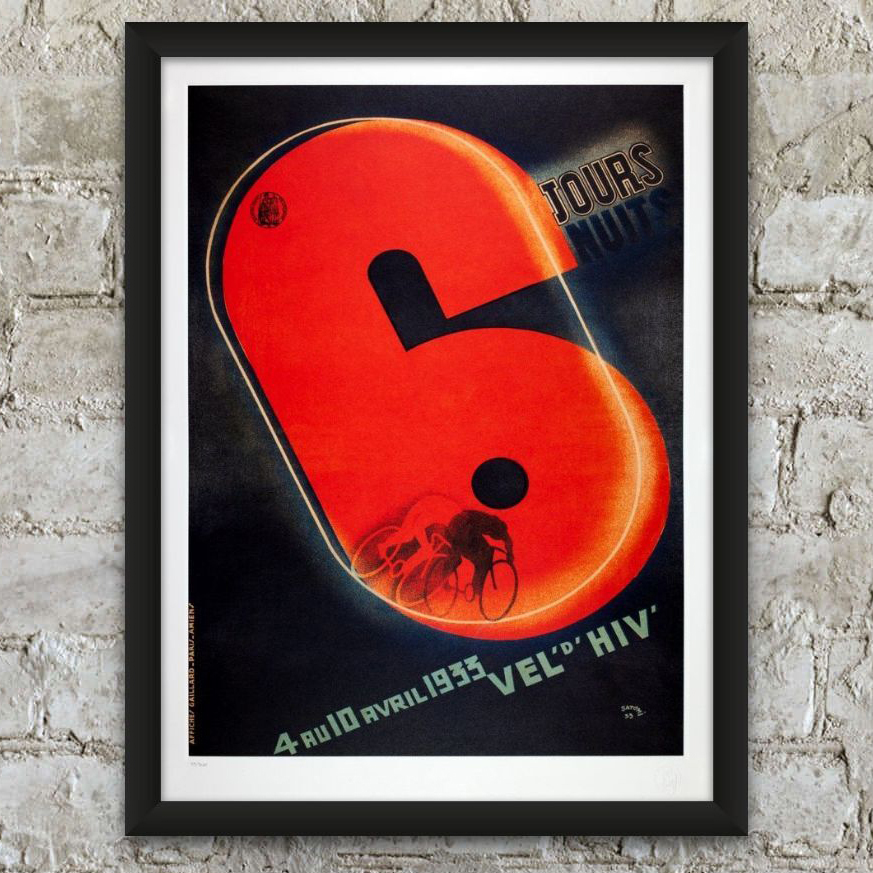
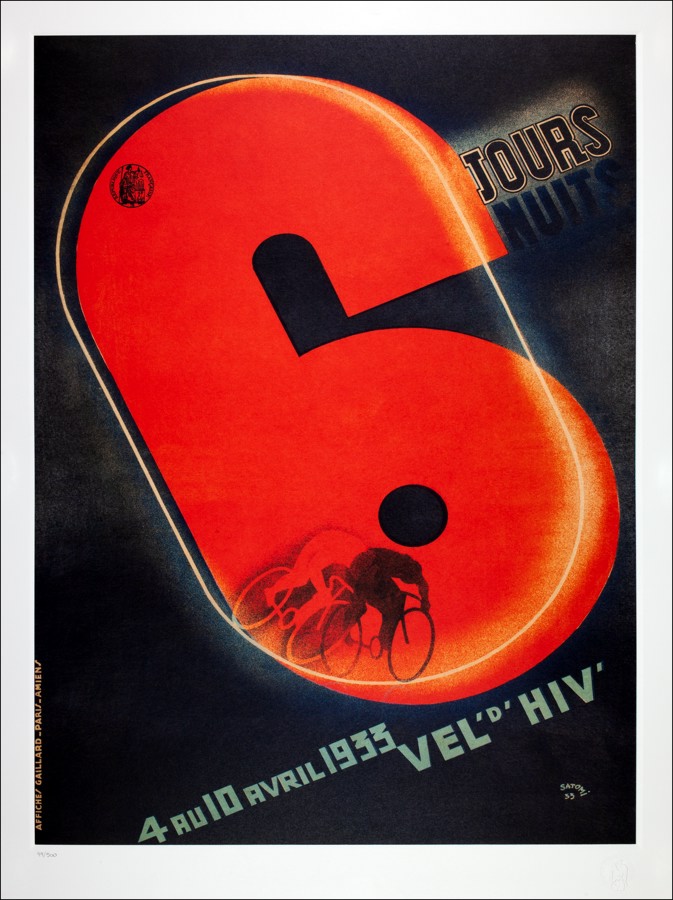
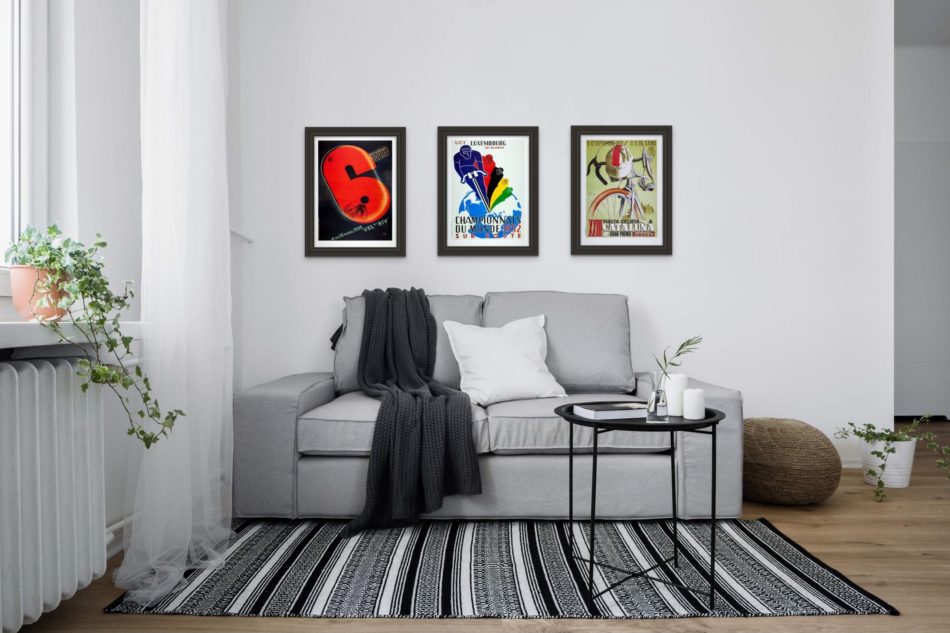
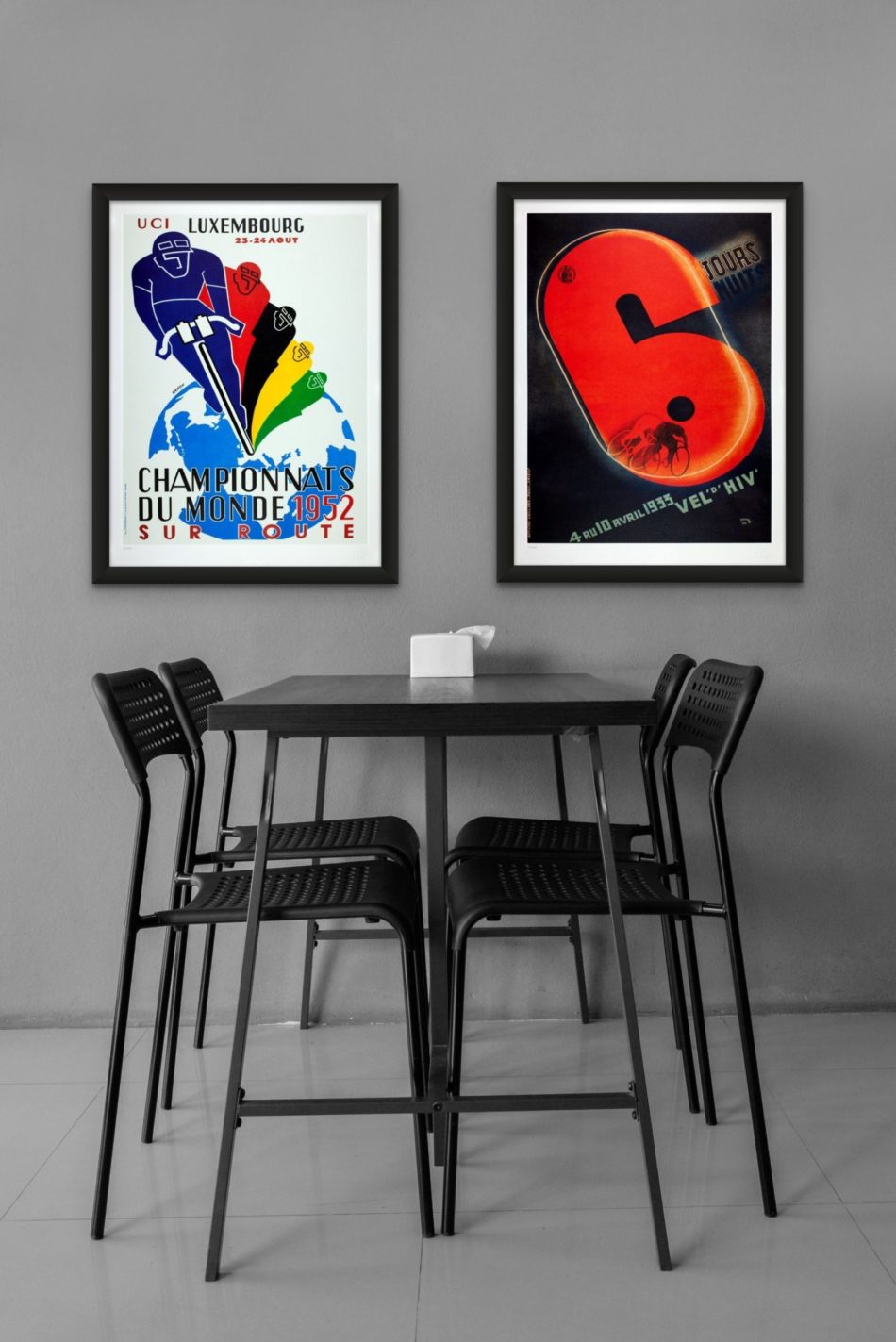
All of the Poster Art images come from original posters in our collection. We looked through hundreds of images to find five of our favorites, not an easy task.
Deboss/Emboss
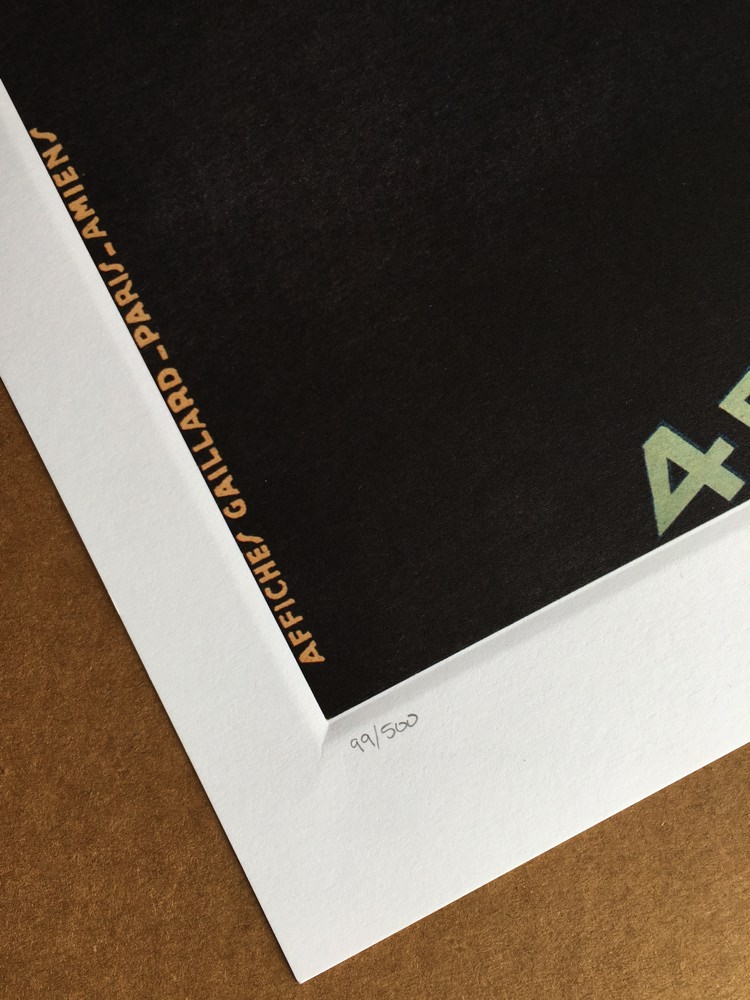
We had excellent paper, stunning images, and a phenomenal press. We wanted more. We felt we were right at the precipice of perfection but needed to go a little further. At this point, we can’t recall exactly whose idea it was, but when the deboss/emboss idea emerged, we knew that was our missing link. An exorbitantly expensive process that includes multi-stage custom handmade dies, hyper-specialized machinery, and an ocean of patience to execute correctly, this alone is the pièce de résistance that elevated this endeavor to art. Take a look at the additional photos. Essentially, the deboss is a large die that slams the paper precisely on the image line and leaves behind a striking beveled edge.
Embossing is the opposite of debossing. The emboss has the die coming from the bottom and pushes the paper up. We created a unique logo design special for our prints.
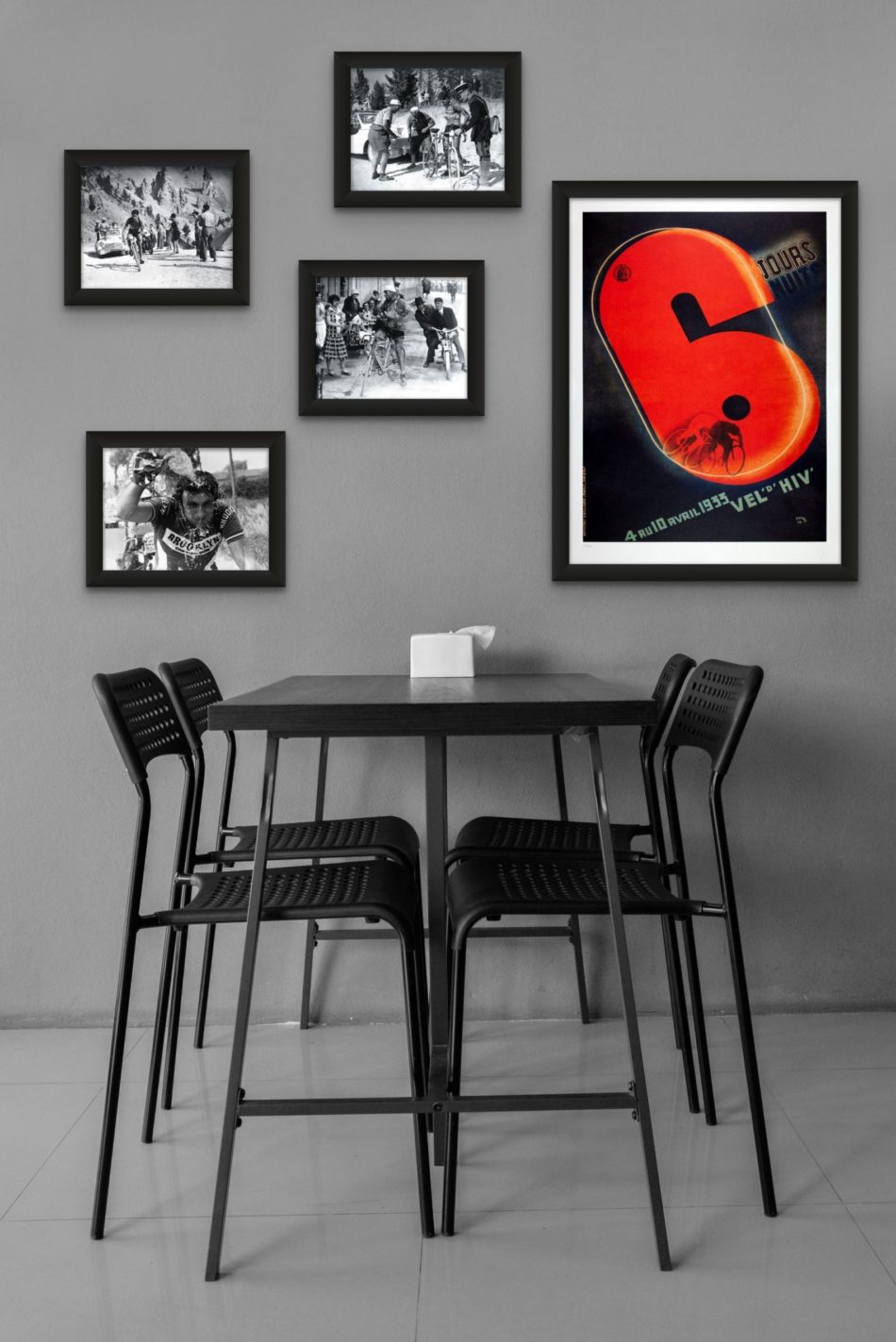
The debossed and embossed print has a beautiful finished look, it is ready to go straight into a frame. No mats needed.
Another benefit of this process is the ease of knowing the real product from a fake. Between the paper, the press, and especially the deboss/emboss process, the counterfeiters are going to move on to easier marks. What you will own is something that lies somewhere between extremely unique to absolutely never before seen quality in the cycling world. Can you tell we are proud of these?
Lithograph Size: 18 x 24 in (46 x 61 cm)
Recent Comments